Gibson Ek Board Game Design Lab
Game Design at a Glance
Eight essentials for moving from an idea to a game people can play and improve.
01
Design process
Learn, make, test, repeat.
- → Empathize + define
- → Ideate + prototype
- → Test + improve
Ask: What do we need to learn next?
02
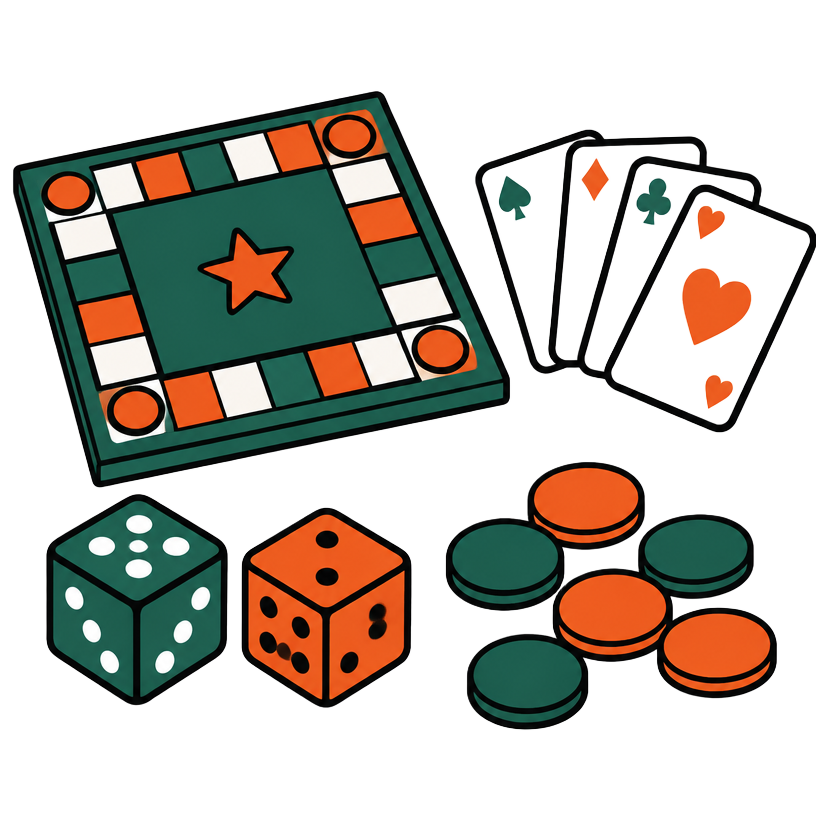
Components
Every piece needs a job.
- → Board + cards
- → Tokens + markers
- → Dice + player aids
Ask: What does each piece help players do?
03
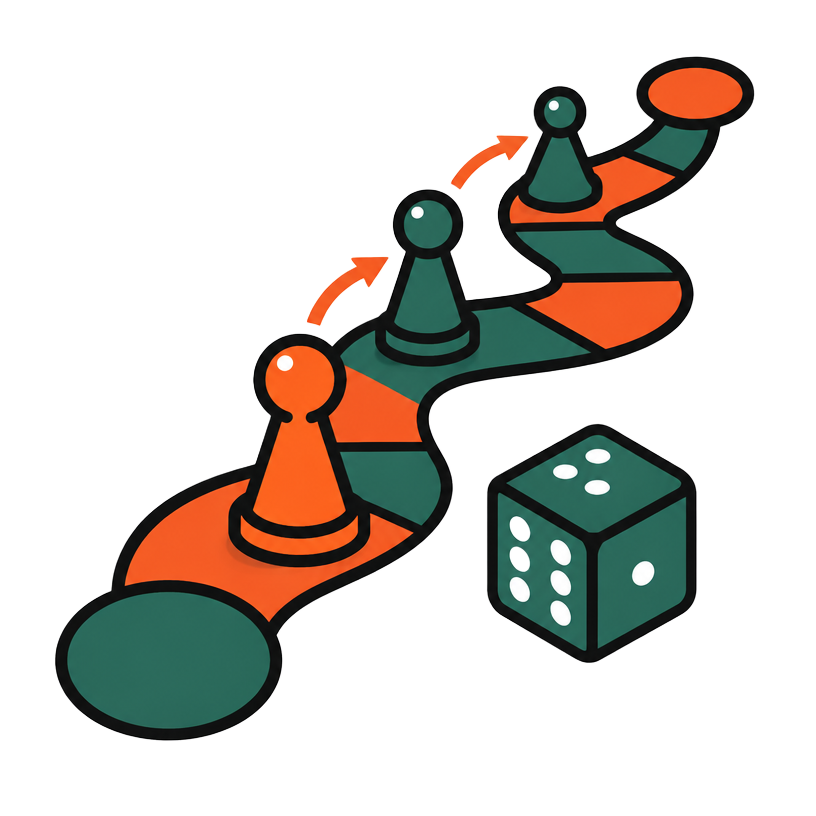
Mechanics
Mechanics are what players do.
- → Move + collect
- → Trade + build
- → Cooperate + take risks
Ask: What action repeats most often?
04
Goals + endings
Make success easy to recognize.
- → Competitive
- → Cooperative
- → Team-based
Ask: The game ends when ____.
05
Turns + choices
Simple steps. Decisions that matter.
- → Clear core loop
- → Strategy + chance
- → Little downtime
Ask: Which choice changes what happens next?
06

Theme
Actions should fit the experience.
- → Player role
- → Tone + story
- → Theme-mechanic link
Ask: What part of Gibson Ek does this rule show?
07
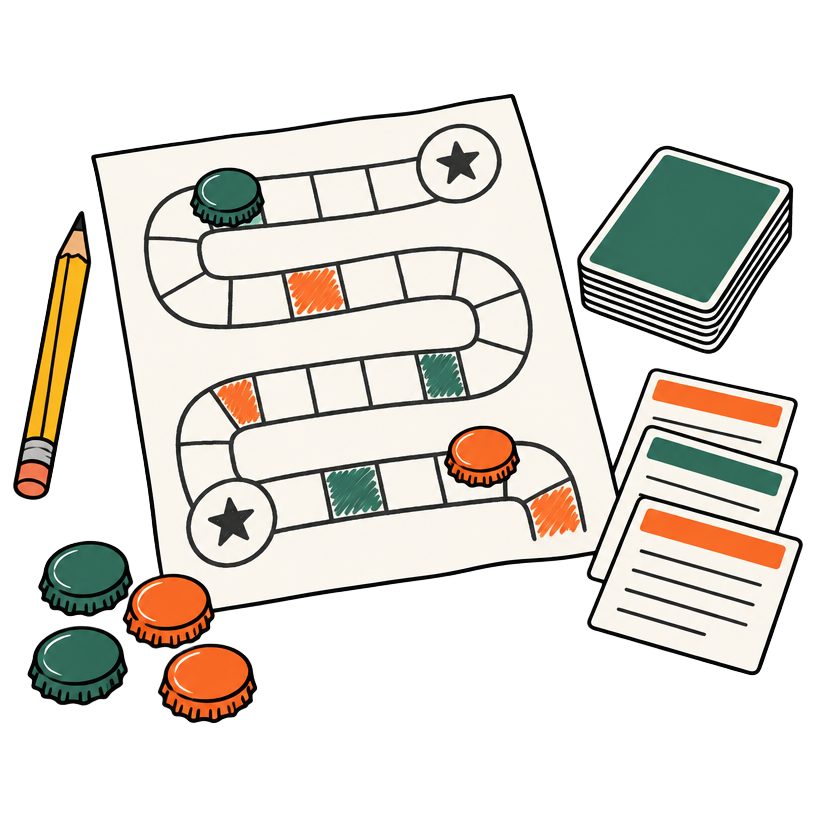
Prototype
Build rough. Learn quickly.
- → Start small
- → Use simple materials
- → Label temporary rules
Ask: Can someone play three turns?
08
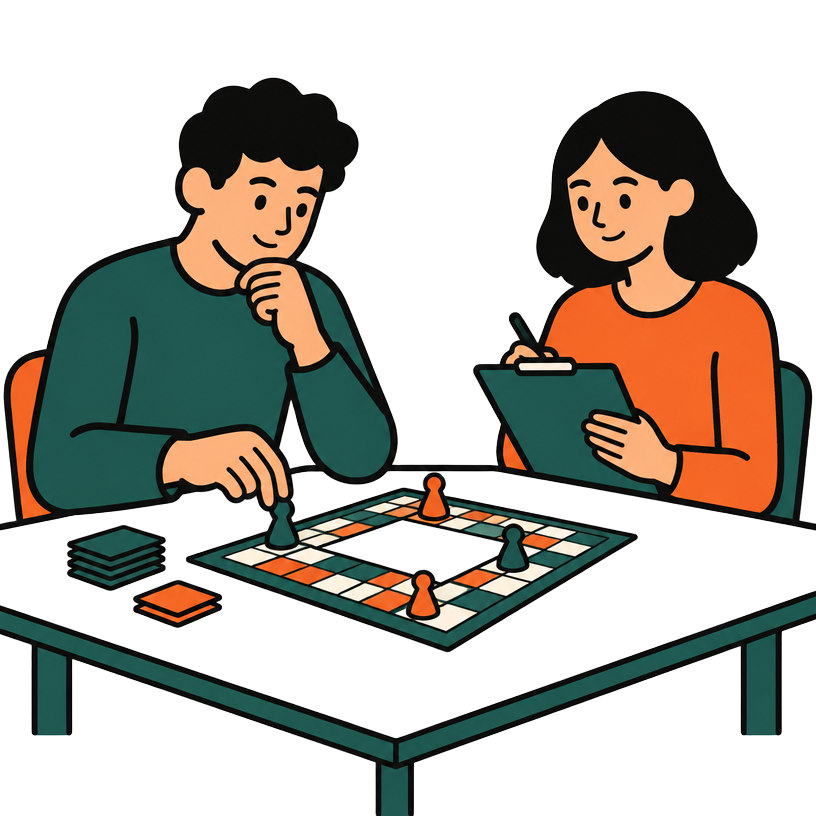
Playtest + iterate
Watch what players actually do.
- → Observe
- → Record evidence
- → Change one thing
Ask: Keep one. Change one. Why?